
$79.00
Crops + Cups Board Game


Have an account? Log in to check out faster.

Kiambu Regional C, Kenya, Washed

Apricot, green apple and brown sugar
This Washed regional lot from Kiambu is a sweet, approachable Kenyan coffee, leading with brown sugar and apricot, balanced by crisp green apple.
| TASTES LIKE | Apricot, green apple and brown sugar |
| ROAST | Filter |
| COMPONENTS | n/a |
In Kenya, the C grade refers to bean size rather than quality in the cup. This regional lot brings together SL28 and SL34 grown by smallholder communities across Kiambu County, one of Kenya’s oldest coffee-producing regions.
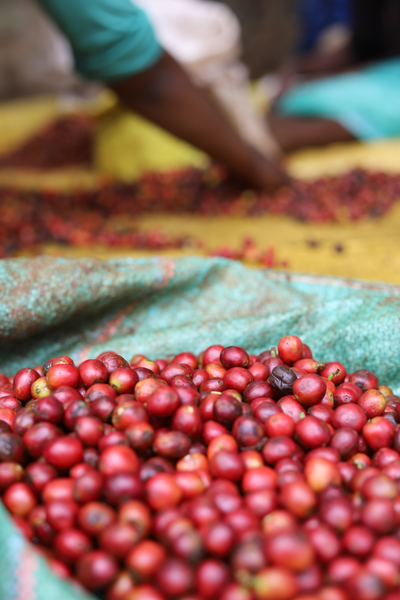
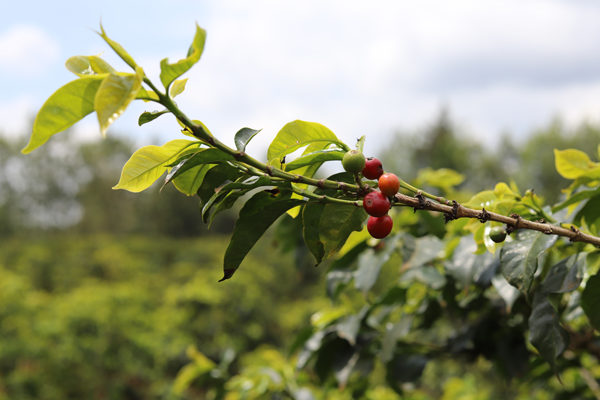
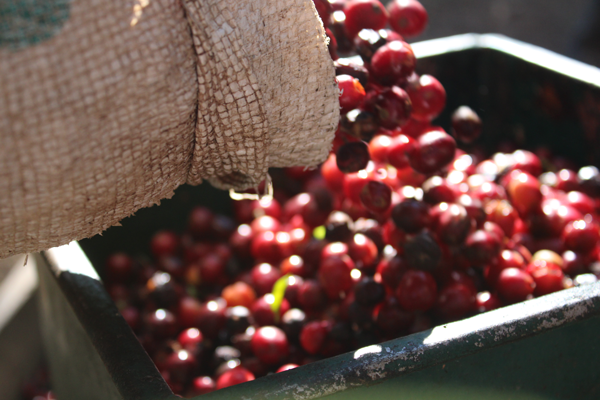
Ripe cherries are hand-picked and delivered to the wet mill, where they are carefully sorted and thoroughly washed. The coffee is then dried on raised beds, turned regularly until it reaches the ideal moisture content, and stored in parchment before dry milling. At the mill, the beans are separated by screen size to create the C lot. Grown between 1,700 and 2,200 metres in Kiambu’s cool conditions and fertile red volcanic soils, this coffee offers a sweet, approachable expression of the region, with notes of caramel and chocolate balanced by red apple, citrus and a clean black tea finish.
| PRODUCER | Smallholder Farmers |
| REGION | Kirinyaga Region, Kiambu County |
| VARIETAL | SL28 and SL34 |
| PROCESS | Washed |
| ALTITUDE | 1700-2200 masl |
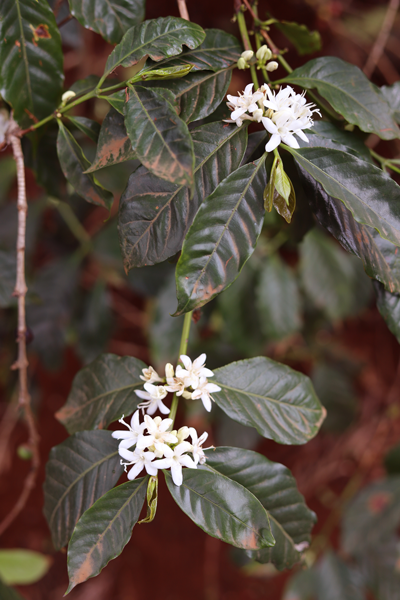
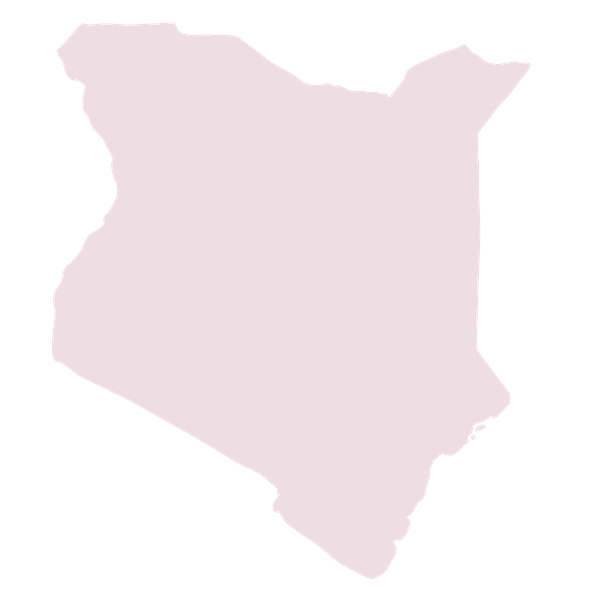
Coffee reached Kenya in 1893, when French Holy Ghost missionaries planted Bourbon seed stock from Réunion, and by 1899 the same order had established coffee at St Austin's Mission on the edge of Nairobi, bordering what is now Kiambu. Kiambu quickly became one of the first centres of commercial estate coffee in the colony, and its farms remain among the country's most historic. The 1933 Coffee Act established the Coffee Board of Kenya and, from 1934, green coffee was sold through the Nairobi auction, a system that rewards quality with price, with reforms in recent years also allowing direct sales to buyers. Today Kenya's Central region, taking in Kiambu, Nyeri, Kirinyaga, Murang'a and Embu, produces the majority of the country's coffee. Kiambu is also home to the Coffee Research Institute at Ruiru, where the Ruiru 11 and Batian varieties were developed. Kenya's distinctive grading system sorts milled coffee by bean size and shape into AA, AB, PB, C and lower grades, so a C grade shares its origin and processing with the larger grades from the same lots. Kiambu's red volcanic soils, reliable rainfall and high elevations continue to produce some of Kenya's most recognisable cups.


