El Lino, Nicaragua, Washed

El Lino, Nicaragua, Washed

200g
$22.00
Sale price  $22.00 Regular price 
Skip to product information
El Lino, Nicaragua, Washed

El Lino, Nicaragua, Washed

$22.00
Sale price  $22.00 Regular price 

Red apple, caramel and black tea

Weight

COFFEE PROFILE

Prepared for espresso, this Washed Caturra lot is sweet and fruity. Smooth caramel notes are accompanied by a flavour of crisp red apple, as well as herbal black tea notes on the finish.    

TASTES LIKERed apple, caramel and black tea
ROASTEspresso

Story

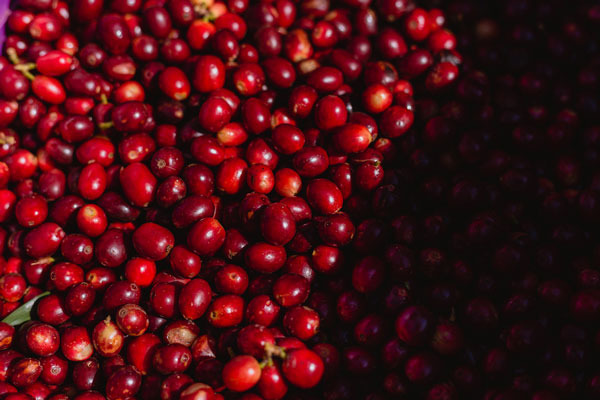
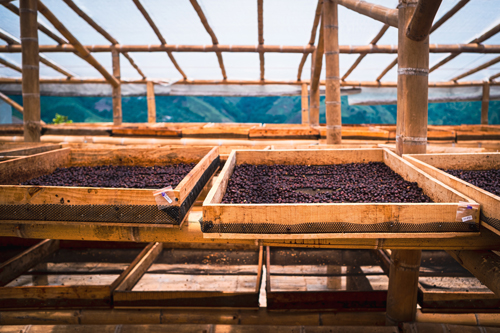
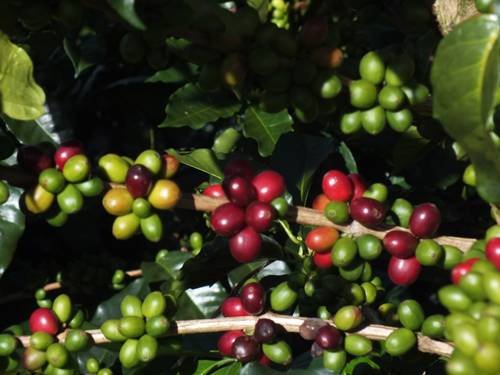
El Lino is a distinguished block within the Valladárez family's Cafetalera Buenos Aires group, situated in Dipilto, Nueva Segovia, one of Nicaragua's premier coffee regions. The family's journey began in 1960 when Luis Emilio Valladárez Zelaya inherited a plot named Buenos Aires. Initially challenging, with coffee transported by horseback, Luis expanded the estate into a multi-farm operation known for quality and innovation. Today, Luis and his son Olman Valladárez co-manage the farms, enhancing their legacy with sustainable practices and selective management, supported by Bridazul and Project Origin. El Lino, positioned at 1,250–1,450 masl, benefits from cool nights and rich volcanic soils, producing Caturra cherries with remarkable balance and clarity. The washed process involves careful handpicking and fermentation, contributing to the estate's success in the Cup of Excellence. The Valladárez family remains dedicated to excellence, ensuring every coffee link benefits from their meticulous care.

PRODUCERLuis Emilio Valladárez Zelaya
REGIONDipilto, Nueva Segovia
VARIETALCaturra
PROCESSWashed
ALTITUDE1250-1450 masl
slider image
slider image
slider image
slider image
slider image
map

Origin

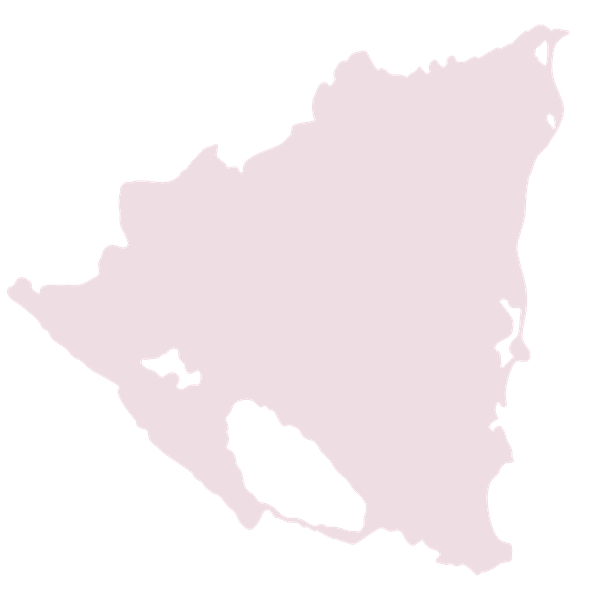
Dipilto, Nueva Segovia,Nicaragua

Nueva Segovia, particularly around Dipilto and Mozonte, is steeped in coffee history dating back to the late 19th century. Recognised for its high elevations, rich volcanic soil, and cool microclimates, the region became a pioneer in Nicaragua's specialty-grade coffee. By the mid-20th century, family-run estates thrived, using agroforestry systems that preserved biodiversity and soil health. Despite the disruptions of the Sandinista Revolution, the region's coffee traditions endured. The 1990s marked a resurgence, with investments in infrastructure and cultivars like Caturra and Geisha. Nueva Segovia emerged as Nicaragua's specialty coffee hub in the 2000s, celebrated for its structured acidity, floral aromatics, and innovative processing methods.