
$86.90
Crops + Cups Board Game


Have an account? Log in to check out faster.

Drip Bags - Iris Estate, Panama, Mixed Process

Jasmine, strawberry and lime
5x10g bags
Bright, fruit and vibrant, this Panama Geisha lot has notes of zesty lime, ripe strawberries, and a floral jasmine note on the finish as it cools down.
| TASTES LIKE | Jasmine, strawberry and lime |
| ROAST | Filter |
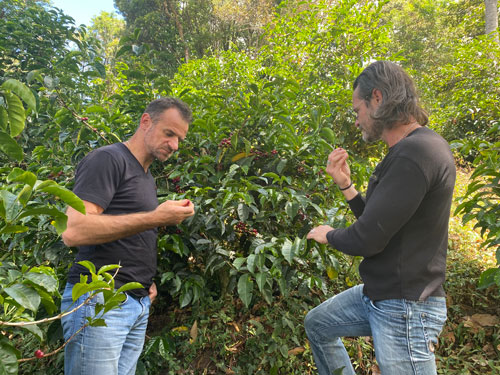
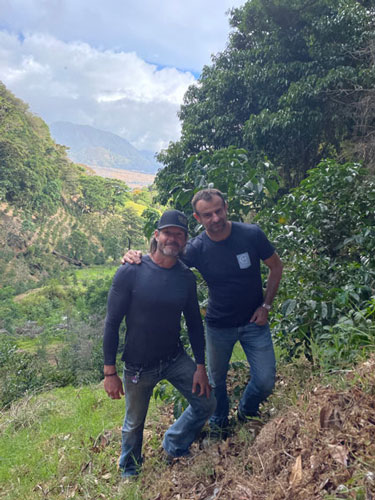
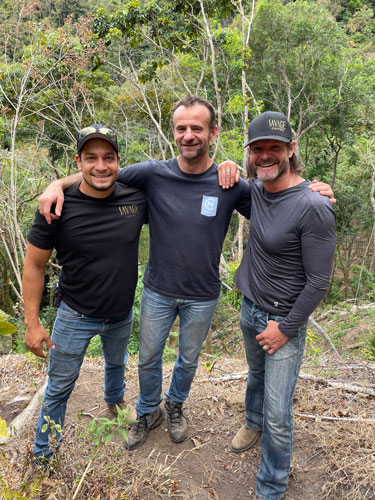
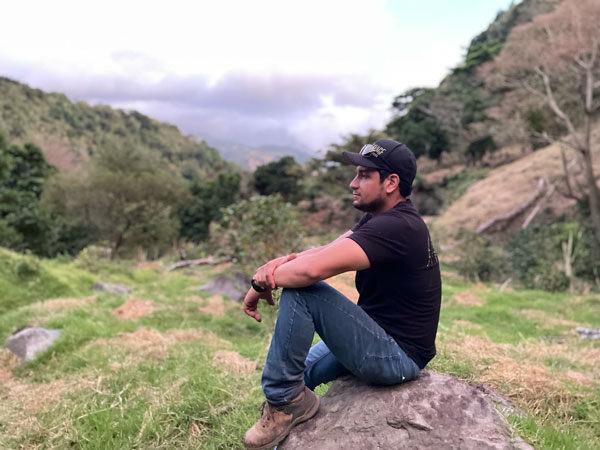
Iris Estate, situated in Panama's Volcán region at elevations ranging from 1,850 to 2,300 meters above sea level, is a collaborative venture among esteemed coffee professionals Jamison Savage, Sasa Sestic, and Elvin Siew. Their mission is to produce specialty coffees that authentically reflect the unique terroir of their origin, emphasizing sustainable farming practices and minimal ecological disruption. The estate is meticulously managed to preserve the natural landscape, allowing coffee cherries to express the inherent flavors of their environment.
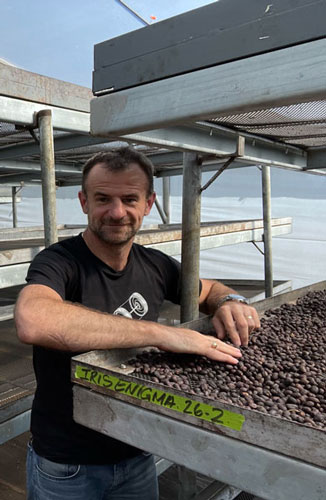
One of Iris Estate's standout offerings is the Geisha Natural Afterglow lot, featuring the renowned Green Tip Geisha variety, celebrated for its pronounced floral notes and vibrant acidity. The processing of this lot is conducted at Iris, where cherries are hand-picked at peak ripeness, with a sugar content exceeding 21ºBrix. The cherries are then dried on a tiered African bed system under controlled conditions, ensuring optimal temperature, humidity, and airflow. This meticulous drying process spans up to 30 days, allowing the coffee to develop layered, natural, and complex flavors. Following drying, the beans undergo a 90-day rest period, or ""reposo,"" to stabilize and enhance sweetness before hulling and selection for export.
The dedication to preserving the natural ecosystem and focusing on terroir-based processing at Iris Estate results in exceptional cup profiles. The Geisha Natural Afterglow lot is noted for tasting notes of peach, toffee, orange, and white floral, offering a clean and balanced cup that embodies the estate's commitment to quality and innovation in specialty coffee production."
| PRODUCER | Jamison Savage, Sasa Sestic and Elvin Siew |
| REGION | Volcán |
| VARIETAL | Geisha |
| PROCESS | Mixed Processes |
| ALTITUDE | 1850-2300 masl |
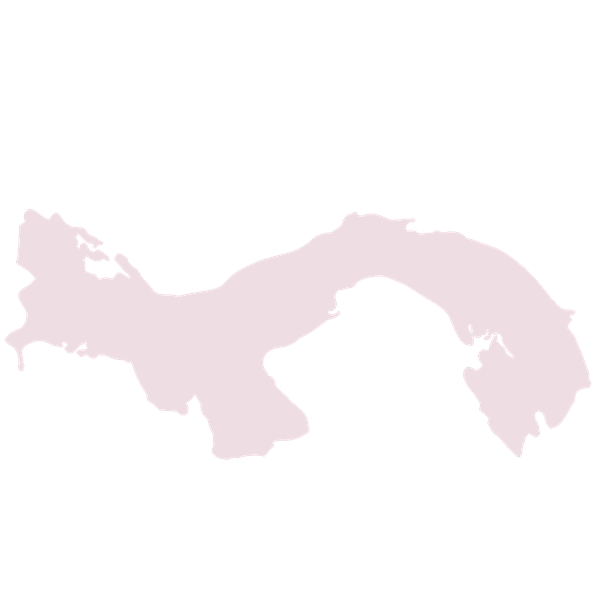
Coffee cultivation in the Volcán region of western Panama, located in Chiriquí near the Costa Rican border, emerged later than in the historically dominant Boquete district but benefits from similar agro-ecological advantages. Introduced to Panama in the mid-19th century through European migrants and regional trade routes, coffee planting in Volcán began in the late 1800s. Small farms in the Chiriquí highlands started growing Arabica varieties, primarily Typica and Bourbon, in response to export demand. Initially focused on cattle and vegetable production, Volcán's fertile volcanic soils, formed by the Barú Volcano, were eventually recognized as ideal for high-quality Arabica cultivation.
Throughout the 20th century, coffee cultivation expanded gradually, with Boquete remaining more prominent. However, the late 20th and early 21st centuries saw a transformation in the Chiriquí highlands with the international recognition of Geisha. Though introduced earlier, Geisha's breakthrough in the early 2000s reshaped farming strategies, emphasizing altitude, microclimate mapping, varietal separation, and experimental processing. Volcán, with elevations surpassing 2,000 meters, became attractive for these specialty-driven approaches.
Today, coffee cultivation in Volcán reflects a shift from volume-based agriculture to precision farming. Farms increasingly prioritize soil regeneration, shade management, selective harvesting, and controlled fermentation systems. The region's history mirrors Panama's specialty evolution, transitioning from traditional Bourbon and Typica production to high-elevation Geisha and innovation-led processing, establishing Volcán as an emerging frontier for terroir-focused, experimental specialty coffee."


