
$86.90
Crops + Cups Board Game


Have an account? Log in to check out faster.

Instant Coffee - Mutheka Kiandu AB, Kenya, Washed

Pear, green apple and lime
7 x 2.5g sachets - 17.5 NET
A perfectly balanced filter coffee. This Washed Kenyan, produced by the Mutheka Farmers Cooperative Society, has notes of green apple, zesty lime and an sweet pear finish.
| TASTES LIKE | Pear, green apple and lime |
| COMPONENTS | N/A |
Kiandu, a key washing station of the Mutheka Farmers Cooperative Society in Nyeri County, Kenya, is renowned for producing vibrant and structured coffees. Nestled between the Aberdare Range and Mount Kenya, the station benefits from rich red volcanic soils at altitudes of 1,600 to 1,770 masl. Established in 1970, Kiandu joined the Mutheka group in 1989 and became an independent society in 2011, exemplifying the strength of Nyeri's cooperative model. Today, it represents 1,800 farmers, each managing small plots intercropped with food staples. They cultivate classic Kenyan varieties like SL28 and SL34, with some Ruiru 11 and Batian, under shade. Farmers deliver ripe cherries for a meticulous fully washed process, resulting in a clean, aromatic cup with Nyeri's signature blackcurrant, citrus, and floral notes. Kiandu's success in quality assessments and auctions is attributed to its blend of tradition, disciplined processing, and cooperative support, embodying a legacy of patience, precision, and community pride in Nyeri's coffee heritage.
| PRODUCER | Mutheka Farmers Cooperative Society |
| REGION | Nyeri County |
| VARIETAL | SL28, SL34, Ruiru 11 and Batian |
| PROCESS | Washed |
| ALTITUDE | 1600-1700 masl |
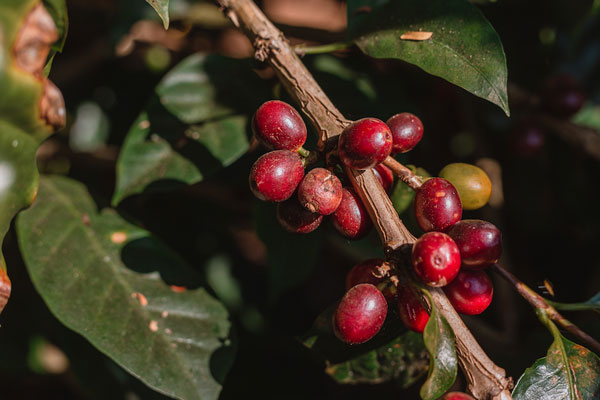
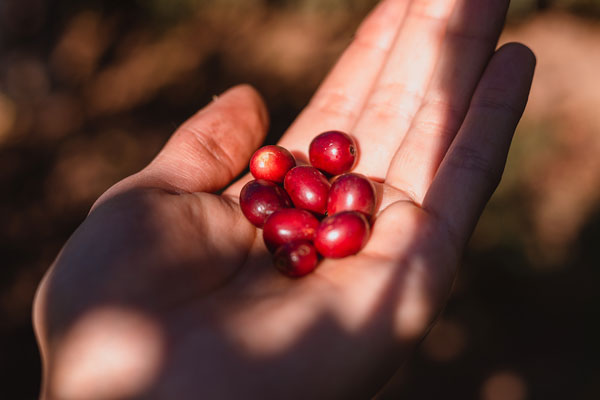
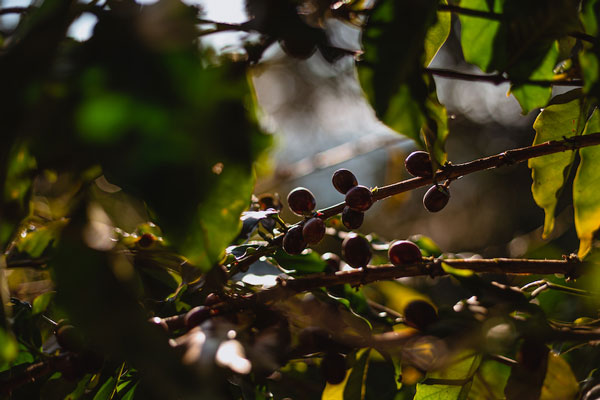
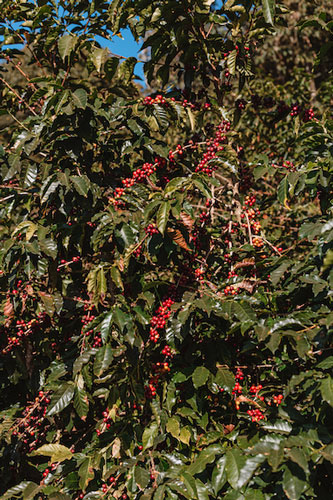
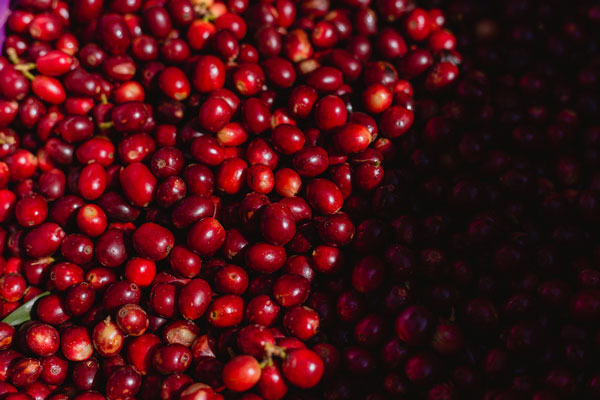

Coffee cultivation in Nyeri County, Kenya, began in the early 20th century with the introduction of Arabica plants by British settlers. Planted between 1912 and 1914, these trees flourished in the volcanic soils and cool highland climate of the Mount Kenya and Aberdare Range foothills. Post-independence in 1963, land redistribution and smallholder cooperatives transformed the sector, with Nyeri emerging as a coffee excellence hub from the 1960s to 1980s. Cooperatives like Tetu and Mutheka facilitated access to wet mills and quality training, boosting consistency and traceability. Nyeri's coffees, celebrated for their vivid acidity and complex florals, consistently achieve high prices at the Nairobi Coffee Exchange. Despite challenges from market liberalisation in the 1990s, Nyeri remains a benchmark for Kenyan coffee, blending heritage with innovation through traditional SL varieties and modern practices.


