Origin
Santa Bárbara, Honduras
Coffee cultivation in Santa Bárbara, Honduras, developed alongside the broader expansion of Arabica production in the late 19th and early 20th centuries. Although coffee was introduced in the 1800s, production was modest compared to neighbouring Central American countries until the mid-20th century, when improved export infrastructure and increased international demand established coffee as a primary agricultural industry.
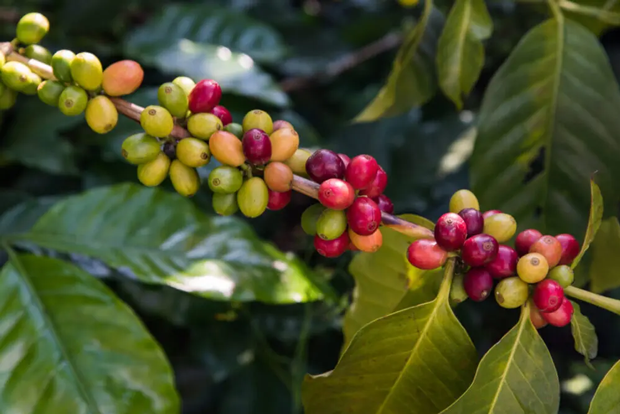
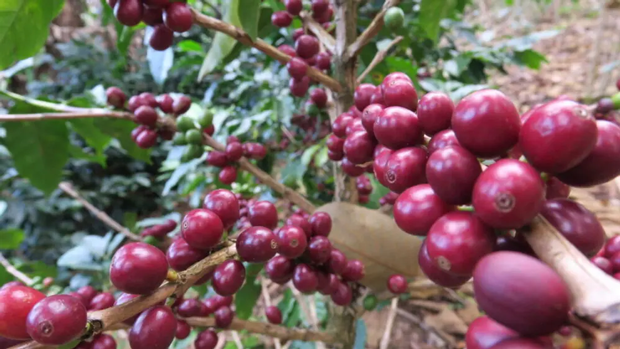
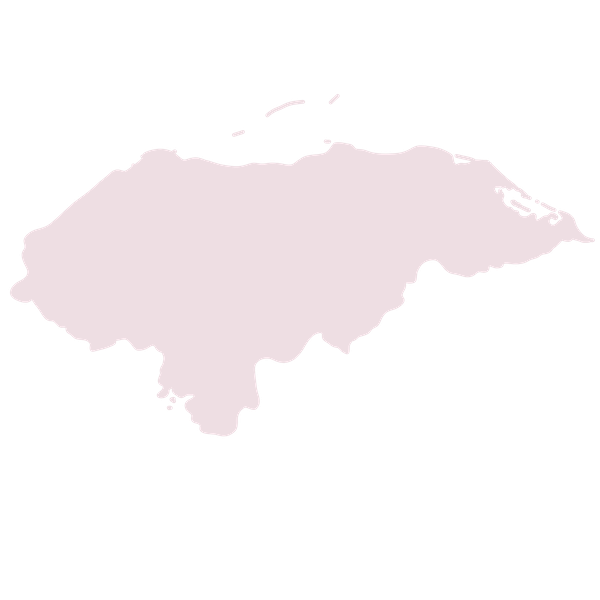
Santa Bárbara, located in western Honduras, emerged as a promising highland coffee region due to its mountainous terrain, fertile soils, and favourable climate. With elevations ranging from 1,200 to over 1,700 meters, the region benefits from cool nights, consistent rainfall, and cloud cover from nearby mountain systems and Lake Yojoa. These conditions support slow cherry maturation, allowing sugars and organic acids to develop gradually, contributing to structured acidity and sweetness.
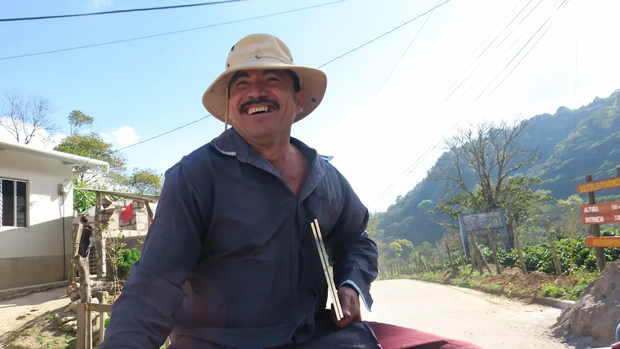
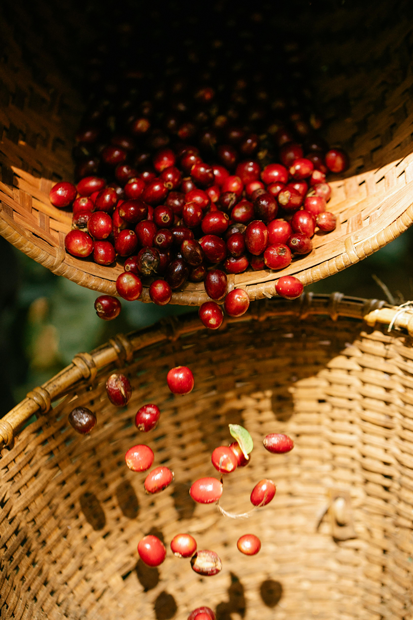
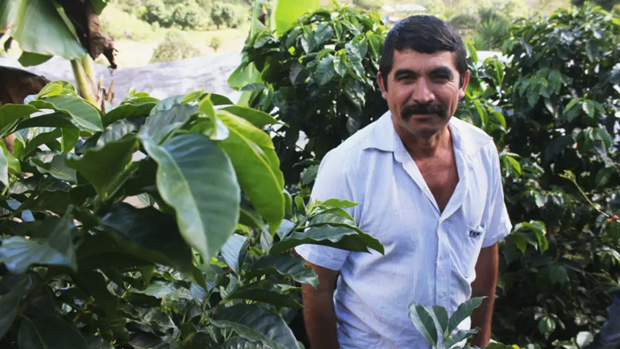
In the latter half of the 20th century, smallholder farmers became the backbone of coffee production in Santa Bárbara. Institutions like IHCAFE improved agronomy, distributed planting material, and supported disease management. Traditional Bourbon-derived varieties such as Pacas and Catuai became widely planted. In recent decades, Santa Bárbara has gained recognition for high-elevation washed coffees, known for citrus brightness, stone fruit character, and balanced sweetness. Today, it is regarded as one of Honduras’s most quality-driven regions, with small and medium-sized producers cultivating distinctive and refined coffees in complex mountain microclimates.