COFFEE PROFILE
This Washed Heirloom lot from the Chelbesa Washing Station displays delicate floral flavours, with citrus and caramel notes that the Yirgacheffe region is known for.
| TASTES LIKE | Citrus, caramel and floral |
| ROAST | Filter |
| COMPONENTS | n/a |


Have an account? Log in to check out faster.

Yirgacheffe Chelbesa G1, Ethiopia, Washed

Citrus, caramel and floral
This Washed Heirloom lot from the Chelbesa Washing Station displays delicate floral flavours, with citrus and caramel notes that the Yirgacheffe region is known for.
| TASTES LIKE | Citrus, caramel and floral |
| ROAST | Filter |
| COMPONENTS | n/a |
The Chelbesa Washing Station is located in the village of Chelbesa in the Gedeo Zone of Yirgacheffe, Ethiopia, and is operated by SNAP — a specialty-focused exporting company working directly with individual washing stations across the southern highlands. The station works with approximately 476 smallholder farmers from the surrounding community, each managing small garden plots where heirloom Kurume and Wolisho varieties grow under natural shade alongside food crops. Cherries are hand-picked and delivered to the station on the day of harvest, where they are processed as a G1 washed lot — the highest quality grade in Ethiopia's grading system. Project Origin sources from Chelbesa through SNAP in a relationship centered on traceability, consistent quality, and fair returns to farming communities.
| PRODUCER | Smallholder Farmers |
| REGION | Worka Chelbesa, Gedeo Zone, Yirgacheffe |
| VARIETAL | Heirloom |
| PROCESS | Washed |
| ALTITUDE | 1950-2200 masl |
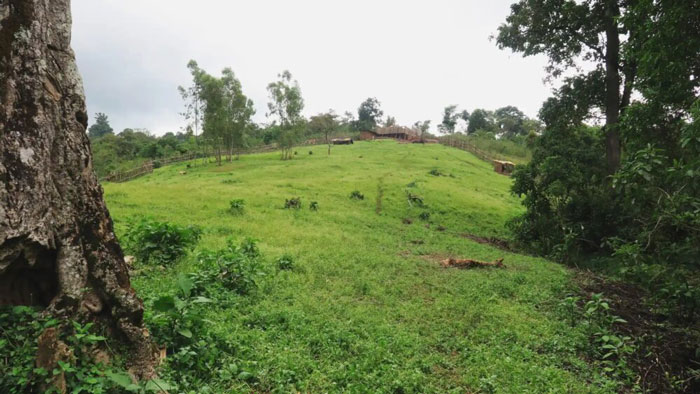
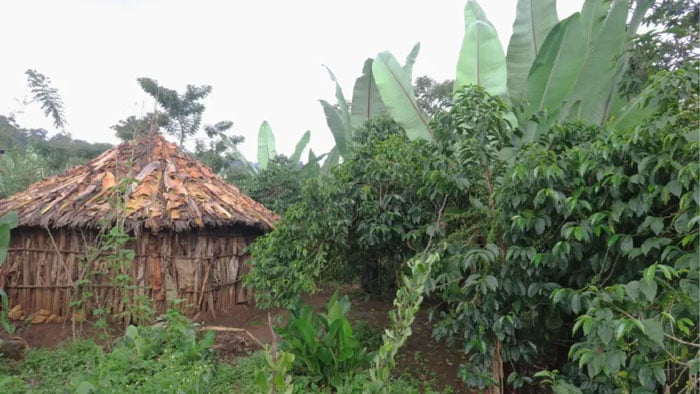
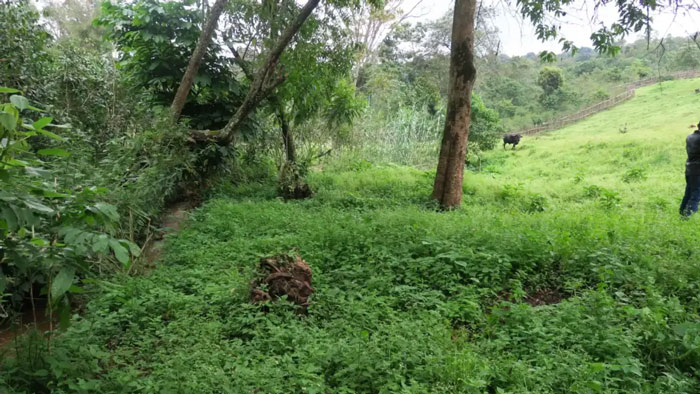
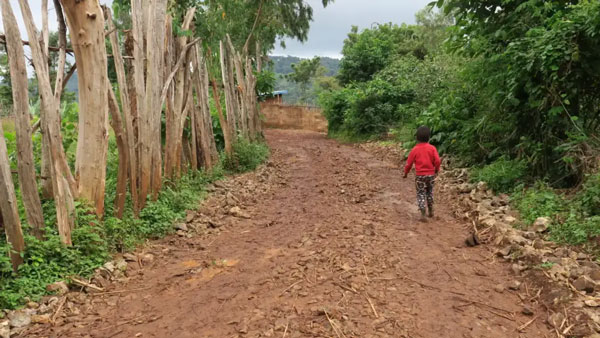
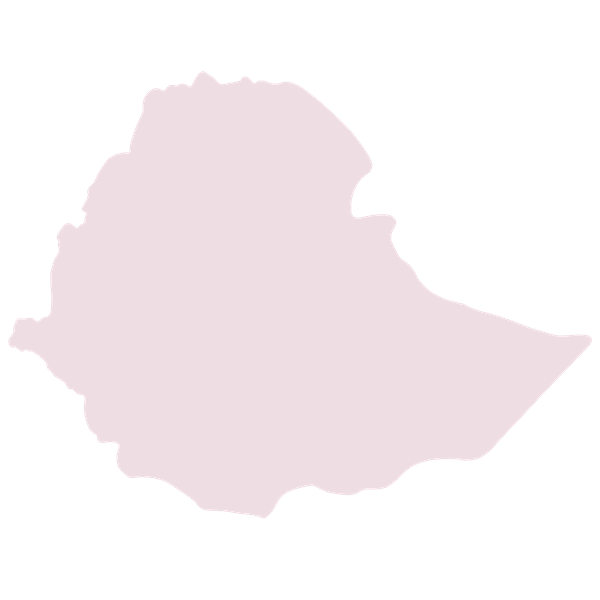
Ethiopia is the birthplace of Arabica coffee and home to an unmatched diversity of indigenous heirloom varieties, many growing in semi-wild forest and garden systems that have evolved over centuries. Yirgacheffe sits within the Gedeo Zone of southern Ethiopia and is one of the world's most celebrated growing regions, renowned globally for coffees of intense floral complexity, citrus-bright acidity, and extraordinary clarity. Grown at elevations typically between 1,800 and 2,200 metres, the region's coffees reflect the combined influence of altitude, fertile volcanic soils, and the traditional smallholder intercropping systems that have shaped Ethiopian coffee farming for generations. Ethiopia grades its coffees on a scale of 1–5 based on defect count and cup quality; G1 represents the highest and most exacting standard.