
$86.90
Crops + Cups Board Game


Have an account? Log in to check out faster.

Yula Regional Lot, Guatemala, Washed

Chocolate, raisin and red apple
This Washed regional lot from Huehuetenango opens with smooth chocolate and sweet raisin, lifted by crisp red apple . A round, smooth body carries through to a clean, sweet finish with a lingering cocoa note.
| TASTES LIKE | Chocolate, raisin and red apple |
| ROAST | Filter |
| COMPONENTS | n/a |
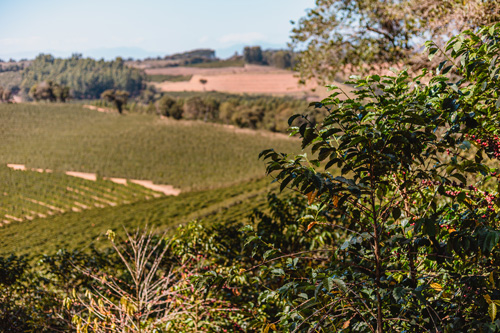
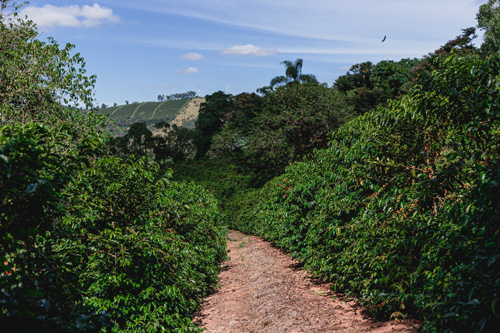
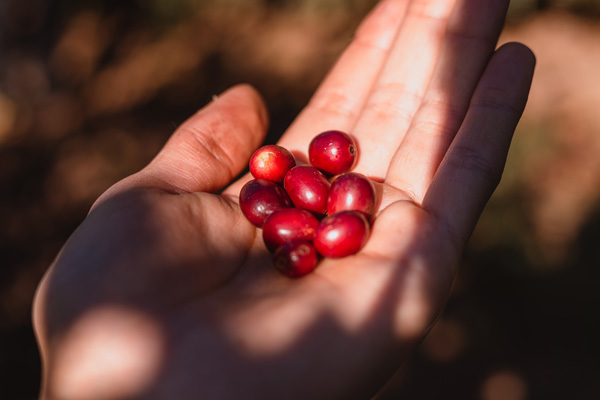
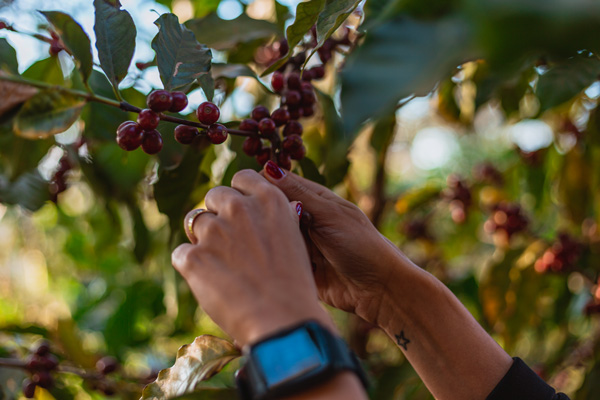
Yula is a regional lot that brings together coffee from smallholder families farming the steep slopes of Huehuetenango, in Guatemala's remote northwest highlands on the border with Mexico. Farms here are typically just a few hectares, tended by families who have grown coffee for generations among shade trees at 1,500 to 2,000 metres above sea level. Because the region is so remote, almost every producer picks, pulps, ferments and dries their coffee at home, giving each family direct control over the quality of their harvest.
Their coffee is gathered by Primavera Green Coffee, a Guatemalan exporter that works year-round with around 250 producers across nine Huehuetenango communities, with agronomists in the field supporting soil health, pruning and natural pest control, and Q-Processing professionals helping to fine-tune fermentation and drying. Parchment is delivered to Primavera's sister company, La Central de Café, in San Antonio Huista, where every delivery is cupped by Q graders before being milled and prepared for export. The result is a carefully selected, fully traceable lot that captures the sweet, balanced character Huehuetenango is celebrated for, while rewarding the small farmers who produce it with fast payment and long-term relationships.
| PRODUCER | Primavera Green Coffee |
| REGION | Huehuetenango |
| VARIETAL | Bourbon, Caturra and Catuai |
| PROCESS | Washed |
| ALTITUDE | 1500-2000 masl |
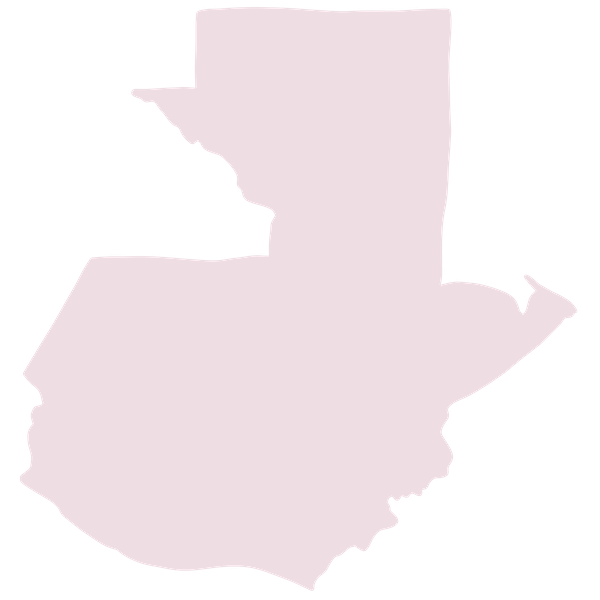
Coffee is believed to have been introduced to Guatemala by Jesuit missionaries, with accounts of it growing in the country by the mid 18th century, but it only became a serious export crop from the 1850s onward, when poor cochineal harvests and the invention of synthetic aniline dyes collapsed demand for the natural dyes that had dominated the economy. The shift was rapid: coffee rose from around 1% of Guatemala's export value in 1860 to 92% by 1880, accelerated by the 1871 Liberal Revolution under Justo Rufino Barrios, himself a coffee planter, whose government built infrastructure and passed land and labour laws that favoured coffee estates.
Today the national coffee association, Anacafé (founded in 1960), recognises eight distinct growing regions. Huehuetenango, in the country's far northwest on the Mexican border, is the highest and driest of the three non-volcanic regions. It sits within the Sierra de los Cuchumatanes, the highest non-volcanic mountain range in Central America, and hot, dry winds blowing up from Mexico's Tehuantepec plain protect the slopes from frost, allowing coffee to be grown up to around 2,000 masl. The region is home to several Mayan communities, including the Mam, Q'anjob'al and Chuj, and much of its coffee is grown by smallholders on steep terrain. Its extreme remoteness means that virtually every producer processes their own coffee, helped by an abundance of rivers and streams that allow a wet mill to be placed almost anywhere. Huehuetenango coffees are prized for their intense, often wine-like acidity, fruit character and full body.
NOTE THESE ARE A STARTING POINT AND INDICATE A RANGE TO WORK WITHIN
| Age Best Used | 7-20 days after roast |
| Brew Parameters | Dose 20g in a V60 and add 300g of water in 5 pours of 60g at 89 degrees C. Start with a 60g bloom for 35 seconds then allow water to drain through each subsequent time before adding more water, aim to finish at 2:45. |
| Best Freeze Date | 7-12 days after roast |


