
$79.00
Crops + Cups Board Game


Have an account? Log in to check out faster.

El Avión, Nicaragua, CM Natural Indigo


Purple fruit, winey and dark chocolate
On the palate, we’re met with smooth dark chocolate, sweet purple fruit and a winey note throughout.
| TASTES LIKE | Purple fruit, winey and dark chocolate |
| ROAST | Filter |
| COMPONENTS | n/a |
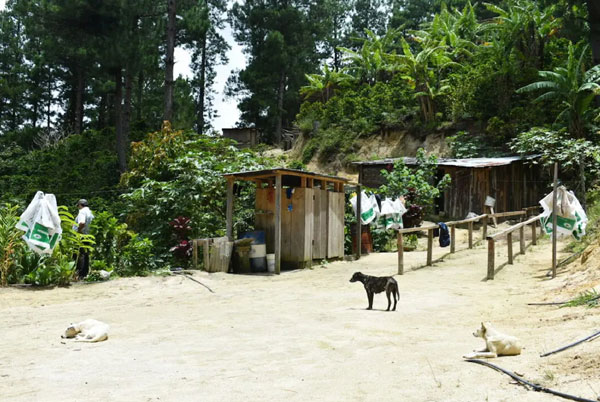
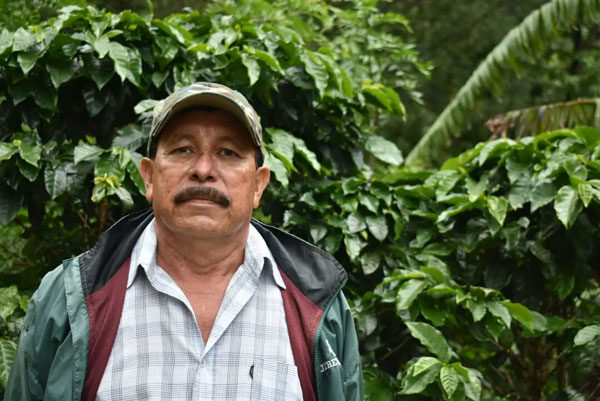
Finca El Avión, situated in the highlands of Mozonte, Dipilto, Nueva Segovia, Nicaragua, is owned and managed by Mario González. Nestled at an altitude of 1,500 to 1,750 metres, the farm's modern history began with a significant land-use transformation. Before 2006, the land was primarily used for pine forestry. However, due to legal reductions in timber production, the González family pivoted to coffee cultivation, converting the former pine plantation into a specialty coffee farm.
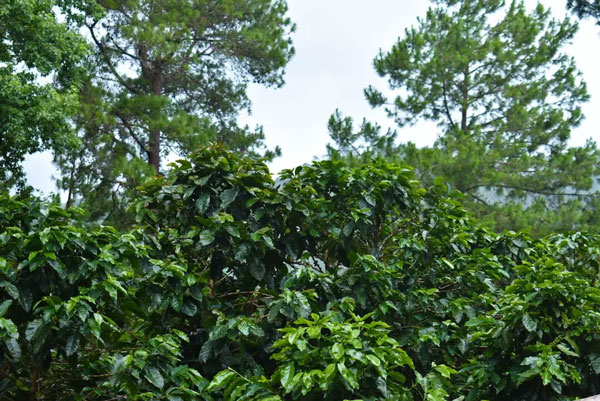
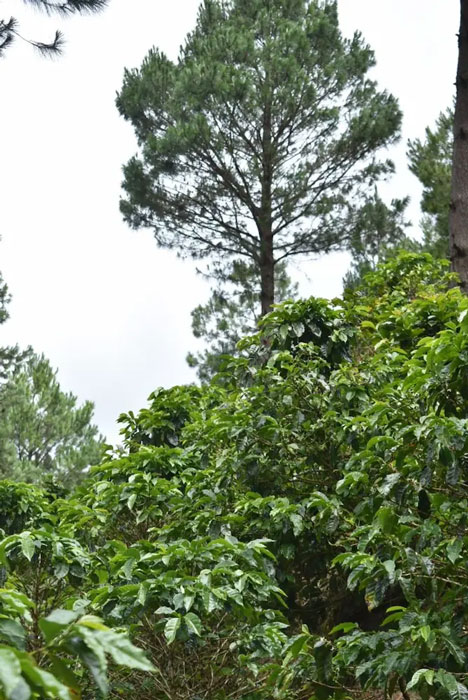
Starting from scratch, they planted coffee under the existing conifers, which now serve as natural shade and windbreaks. The fallen pine needles provide ground cover without impeding rainfall, creating an ideal microenvironment for coffee growth. El Avión cultivates Catuai and Catimor varieties, producing Washed, Natural, and Carbonic Maceration lots. The farm's reputation was solidified with a 1st place win at the 2022 Nicaragua Cup of Excellence, where a Catuai Rojo Natural from El Avión scored 90.74 points. This accolade underscores the farm's commitment to top-tier quality.
| PRODUCER | Mario González |
| REGION | Mozonte, Dipilto, Nueva Segovia |
| VARIETAL | Red Catuai |
| PROCESS | Carbonic Maceration (CM) Natural Indigo |
| ALTITUDE | 1500-1750 masl |
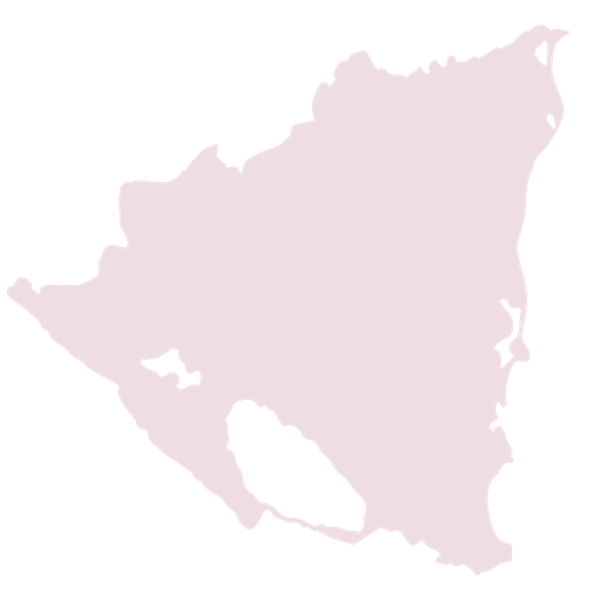
Coffee cultivation in Nueva Segovia, particularly around Dipilto and Mozonte near the Honduran border, dates back to the late 19th and early 20th centuries when Arabica coffee spread into Nicaragua’s northern highlands. The region's mountainous terrain, with elevations between 1,200 and 1,800 metres, cool temperatures, and fertile volcanic and metamorphic soils, provides ideal conditions for producing dense, high-quality beans. Initially, farms were small and family-run, with coffee grown alongside subsistence crops under the shade of native trees and pines.
By the mid-20th century, coffee became the main economic driver for Nueva Segovia, vital for income and employment in communities like Dipilto and Mozonte. Despite expansion, the region's relative isolation preserved traditional farming methods. The 1980s civil conflict disrupted production, but many families persevered. In the 1990s and early 2000s, political stability and quality-focused initiatives helped Nueva Segovia emerge as a specialty coffee region. Investments in wet mills, drying systems, and careful cherry selection, alongside planting varieties like Catuai and Caturra, marked this transformation.
The region gained prominence with Nicaragua’s participation in the Cup of Excellence in the early 2000s, where Nueva Segovia farms consistently excelled. Today, it is recognized as the heart of Nicaraguan specialty coffee, celebrated for its clean structure, bright acidity, and refined sweetness.
NOTE THESE ARE A STARTING POINT AND INDICATE A RANGE TO WORK WITHIN
| Age Best Used | 7-20 days after roast |
| Brew Parameters | Dose 20g in a V60 and add 300g of water in 5 pours of 60g at 89 degrees C. Start with a 60g bloom for 35 seconds then allow water to drain through each subsequent time before adding more water, aim to finish at 2:30. |
| Best Freeze Date | 7-12 days after roast |


