
$20.00
ONA Coffee Mug


Have an account? Log in to check out faster.

Janson Estate Lot 26-173, Panama, Natural

Pink guava, jasmine and white grape
200g
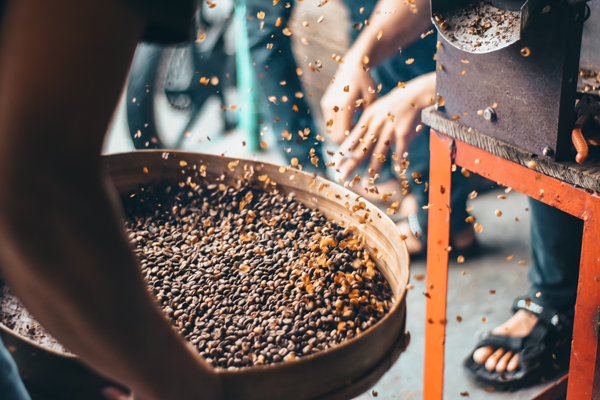
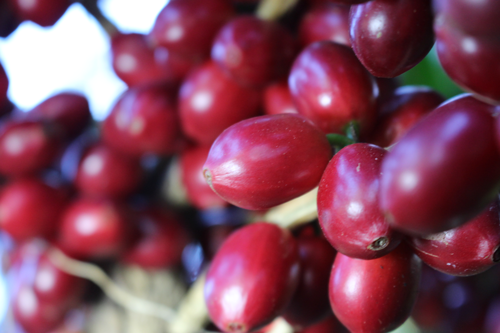
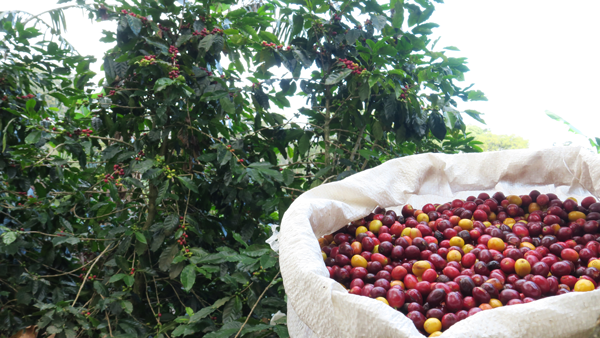
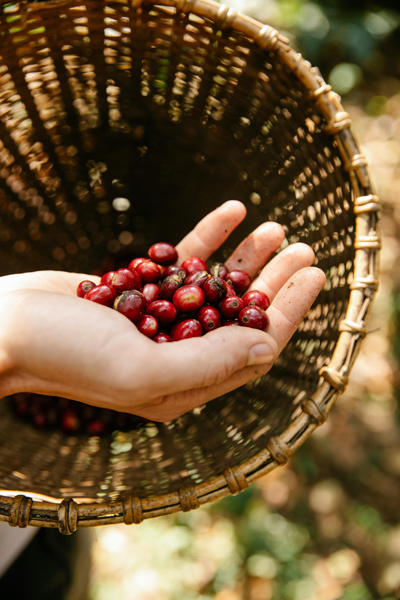
Whole ripe cherries rest and ferment before a slow sun-dry on raised beds, concentrating the fruit's sugars directly into the seed. The result is a layered filter with notes of jasmine and stone fruit, opening into ripe guava sweetness over a silky, syrupy body. .
| TASTES LIKE | Pink guava, jasmine and white grape |
| ROAST | Filter |
| COMPONENTS | n/a |
Janson Estate traces back to 1926, when Swedish immigrant Carl Axel Janson settled in Volcán, Chiriquí, and began raising cattle and dairy on the fertile slopes of Volcán Barú. It wasn't until the mid-1980s that soil assessments revealed the land's potential for coffee, prompting his sons to formally establish Janson Coffee in 1990, building a dedicated specialty processing facility by 1993. Today the farm is fronted by second-generation grower Kai Janson, who farms green-tip Geisha alongside Catuai, Caturra and Pacamara across the Los Alpes block, on land bordered by natural forest reserved to protect biodiversity and prevent pest pressure. The family runs the operation without synthetic pesticides or herbicides, using solar power and microbial soil amendments, and has placed at Best of Panama repeatedly since 2016, including 3rd place in the 2023 Geisha Natural category at 94.50 points. Project Origin sources competition-calibre micro-lots like this one directly from the family.
| PRODUCER | Janson Family |
| REGION | Volcán, Chiriquí Province |
| VARIETAL | Geisha |
| PROCESS | Natural |
| ALTITUDE | 1500-1700 masl |

Coffee arrived in Panama in the 19th century but remained a minor regional crop for generations, grown mostly for domestic and Central American markets. That changed after a coffee leaf rust outbreak in the 1960s prompted producers to bring Geisha seed stock in from neighbouring Costa Rica, seeking a rust-tolerant variety to diversify the national coffee gene pool — largely a footnote until decades later.
The variety sat quietly, disliked for its low yield and unruly growth, until Hacienda La Esmeralda entered its Geisha at the 2004/2005 Best of Panama competition, shattering green coffee auction records and redefining what specialty coffee could taste like and be worth. That moment turned western Chiriquí Province — the highlands around Volcán Barú, spanning Boquete and Volcán — into the world's most closely watched coffee-growing region. Volcanic soil, cool cloud-forest nights, and altitudes commonly above 1,500 masl give Chiriquí's Geisha lots their signature clarity: jasmine, bergamot and tropical stone fruit in a delicate, tea-like cup.


