
$79.00
Crops + Cups Board Game


Have an account? Log in to check out faster.

Plan Del Hoyo, El Salvador, Washed


Cherry, pink grapefruit and orange
Bright and citrus-led, this Washed SL28 from El Salvador opens with pink grapefruit before revealing notes of sweet cherry and orange.
| TASTES LIKE | Bright and citrus-led, this Washed SL28 from El Salvador opens with pink grapefruit before revealing notes of sweet cherry and orange. |
| ROAST | Filter |
Plan del Hoyo has been part of the de Sola family since 1957, when Francisco de Sola Maduro purchased the land. It was first used for Angus cattle and fruit growing before civil war forced Francisco R.R. de Sola and his sister Susana to leave El Salvador in 1980. Following the peace accords, Francisco returned to lead the farm and shifted its focus towards wood production.
The eruption of the Lamatepec Volcano in 2005 brought another change, leading the family to diversify the farm's crops. In 2015, after 48 years working with the Sola Group, Francisco planted coffee at Plan del Hoyo with support from the El Salvador Agricultural Department. He and Susana continue to approach quality and production as separate areas for ongoing improvement. Their work was recognised when Plan del Hoyo placed eighth in the 2023 Cup of Excellence.
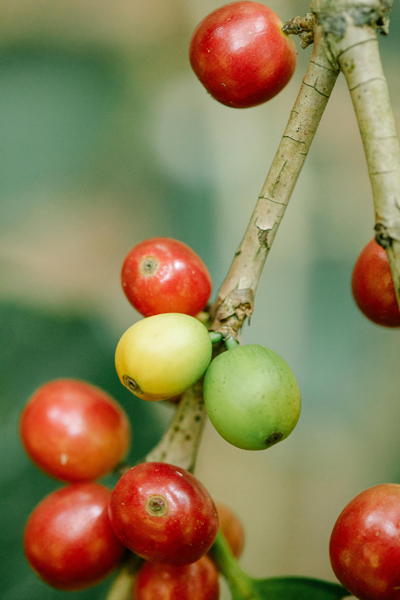
For this Washed SL28 lot, ripe cherries are picked and sorted by hand before floaters are removed. The cherries are pulped, fermented in jute sacks for 16 hours and washed before drying on brick patios for 16 days.
| PRODUCER | Sola Family |
| REGION | Apaneca, Ilamatepec |
| VARIETAL | SL28 |
| PROCESS | Washed |
| ALTITUDE | 1760 masl |



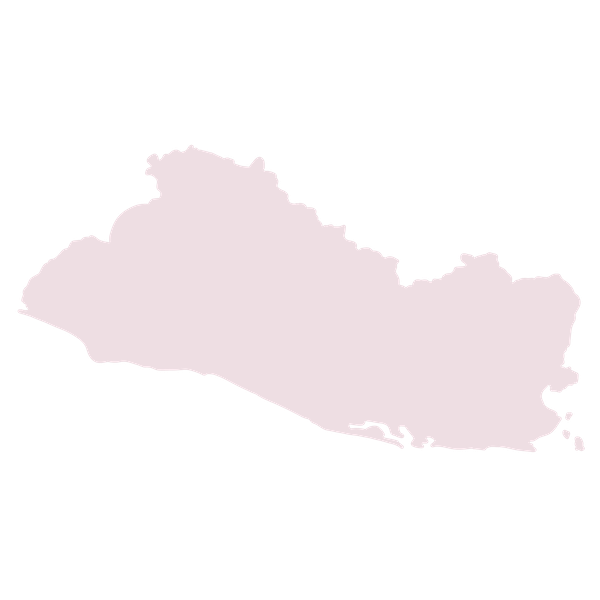
Coffee cultivation in the Apaneca Ilamatepec highlands of western El Salvador began in the mid-19th century when coffee was introduced to the region's volcanic foothills. These areas, with fertile soils and high elevations, quickly became ideal for coffee production. By the late 1800s, coffee had replaced indigo as El Salvador's primary export, and the estates on the slopes of the Santa Ana and Ilamatepec volcanoes thrived.
Despite political and economic challenges in the late 20th century, including the 1980s civil war that disrupted production and led to farm abandonment, the region's ideal terroir ensured the survival of coffee cultivation. In the 1990s and early 2000s, as specialty coffee markets emerged, growers shifted focus to quality differentiation, varietal separation, and improved post-harvest practices. The Cup of Excellence competition, introduced in 2003, further encouraged this shift by highlighting microlots and enhancing processing precision.
Today, Apaneca–Ilamatepec is synonymous with high-altitude washed, honey, and natural coffees, featuring classic Bourbon varieties and exotic lines like SL28 and Geisha. Recognized as a protected Denomination of Origin, the region's cultivation history reflects resilience and innovation, rooted in over a century of tradition while continuously evolving to meet specialty market demands.
NOTE THESE ARE A STARTING POINT AND INDICATE A RANGE TO WORK WITHIN
| Age Best Used | 7-20 days after roast |
| Brew Parameters | Dose 20g in a V60 and add 300g of water in 5 pours of 60g at 90 degrees C. Start with a 60g bloom for 35 seconds then allow water to drain through each subsequent time before adding more water, aim to finish at 2:45. |
| Best Freeze Date | 7-12 days after roast |


