COFFEE PROFILE
Bright and bursting with fruit, this Natural Heirloom lot has notes of blood orange and ripe plum. As it cools, a tartaric grape-like note increases in intensity.
| TASTES LIKE | Biscuit, Caramel, Dried Fruit |
| ROAST | Milk-based |


Have an account? Log in to check out faster.

Yirgacheffe, Ethiopia, Natural

Biscuit, Caramel, Dried Fruit
Bright and bursting with fruit, this Natural Heirloom lot has notes of blood orange and ripe plum. As it cools, a tartaric grape-like note increases in intensity.
| TASTES LIKE | Biscuit, Caramel, Dried Fruit |
| ROAST | Milk-based |
The Ethiopia Yirgacheffe Natural is a regional lot crafted through Primrose Coffee's extensive network of washing stations in the Yirgacheffe zone of the Gedeo Zone. Founded in 2010 by Abreham Mengiste and Meseret Workneh, Primrose Coffee benefits from their combined 40 years of experience in the coffee industry. The company operates multiple washing stations throughout Yirgacheffe, including Koke Shalaye, Haru Suke, Nenke, Gargari Gutity, Beyou Gersay, Aricha Wubanchi, and Konga Amederaro. Primrose collaborates with over 3,000 smallholder farmers in the Yirgacheffe and Guji regions, sourcing cherries from garden and semi-forest plots integrated with other crops.
This G2 Natural lot aggregates coffee from across Primrose's Yirgacheffe network, capturing the full expression of the region's character rather than focusing on a single-station microlot. Project Origin has partnered with Primrose since 2012, establishing one of the company's longest and most trusted producer relationships. Together, they adhere to milling standards that surpass Ethiopian government requirements, ensuring quality and traceability throughout export.
Beyond sourcing, Primrose supports community development in Yirgacheffe and Guji, including school expansions and classroom construction at Konga Amederaro, donations of school supplies to local students, and water well construction in Guji, in partnership with their Australian collaborators.
| PRODUCER | Primrose Coffee |
| REGION | Yirgacheffe, Gedeo Zone |
| VARIETAL | Heirloom |
| PROCESS | Natural |
| ALTITUDE | 1700-2200 masl |
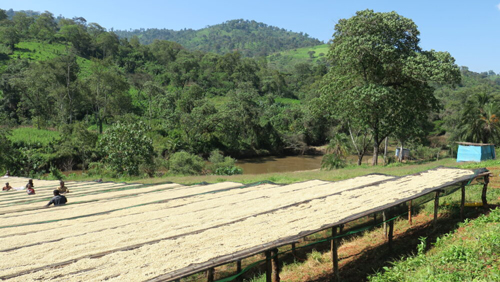
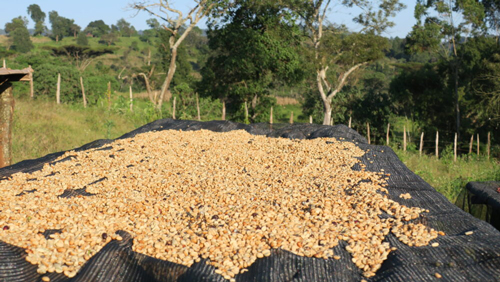
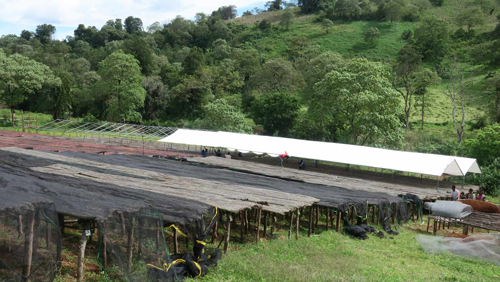
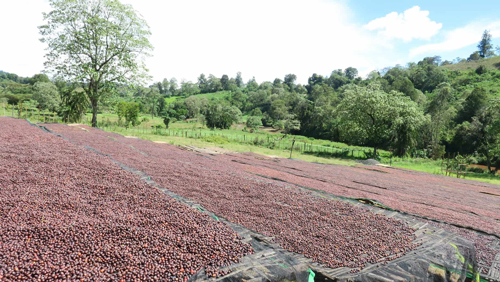
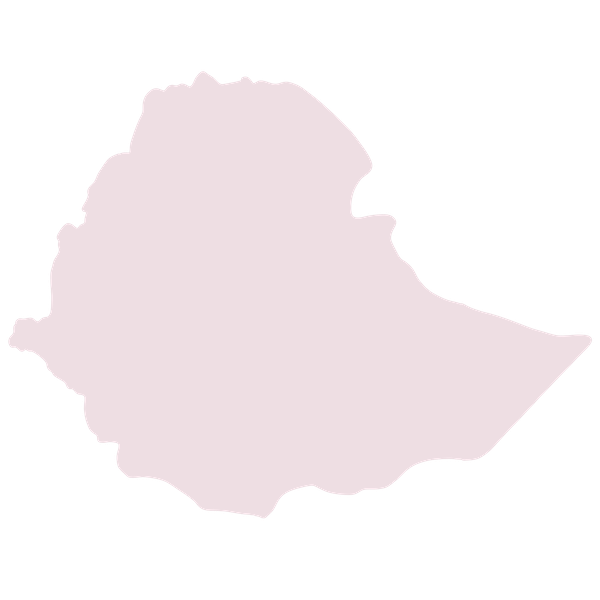
Coffee cultivation in Yirgacheffe, located within Ethiopia's Gedeo Zone, is intricately linked to the nation's cultural and agricultural heritage. As one of the oldest coffee-growing areas globally, the region boasts indigenous Arabica varieties that have thrived in its forests long before organised cultivation commenced. The area's altitude, ranging from 1,700 to 2,200 metres above sea level, coupled with fertile red soils, bimodal rainfall, and consistent cloud cover, creates exceptional growing conditions.
In the 1950s and 1960s, Yirgacheffe coffee began to be formally distinguished from broader Sidamo lots due to its distinct floral and fruit-toned character. Washed lots are noted for jasmine, bergamot, and citrus notes, while naturals exhibit rich stone fruit complexity. The region's washing stations, which aggregate cherries from numerous smallholder farmers, have been pivotal in establishing Yirgacheffe's global reputation over the past 60 years.
Recognised as a UNESCO Biosphere Reserve, the Gedeo Zone reflects the integration of coffee forests, biodiversity, and local Gedeo culture. Today, Yirgacheffe remains a benchmark specialty origin, with its naturals celebrated for their complex red fruit, stone fruit, and floral character, unmatched by other regions. Primrose Coffee, founded in 2010 by Abreham Mengiste and Meseret Workneh, has been instrumental in how Project Origin and ONA Coffee engage with the region, fostering transparent relationships with smallholder communities and investing in infrastructure and education alongside their commercial sourcing efforts."
NOTE THESE ARE A STARTING POINT AND INDICATE A RANGE TO WORK WITHIN
| Age Best Used | 18-30 days after roast |
| Brew Parameters | Dose 20.7g in the portafilter to extract 37g in the cups in 26 seconds at 93.5 degrees and add 115g milk weight per single espresso |
| Best Freeze Date | 24-28 days after roast |