
$86.90
Crops + Cups Board Game


Have an account? Log in to check out faster.

Drip Bags - Iris Estate Afterglow, Panama, Natural

Orange, strawberry and peach
5x10g bags
Iris Estate has gained a reputation for coffees with a complex, candied sweetness and strong expressions of florals. This particular lot, named ‘Afterglow’, was produced with Natural processing, creating a coffee with distinctive peach tones, sweet caramel notes and a balance of fragrant floral notes like jasmine.
| TASTES LIKE | Orange, strawberry and peach |
| ROAST | Filter |
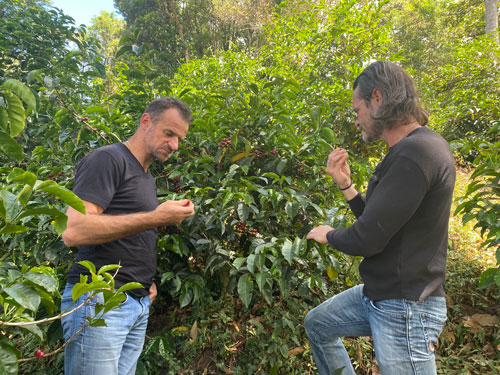
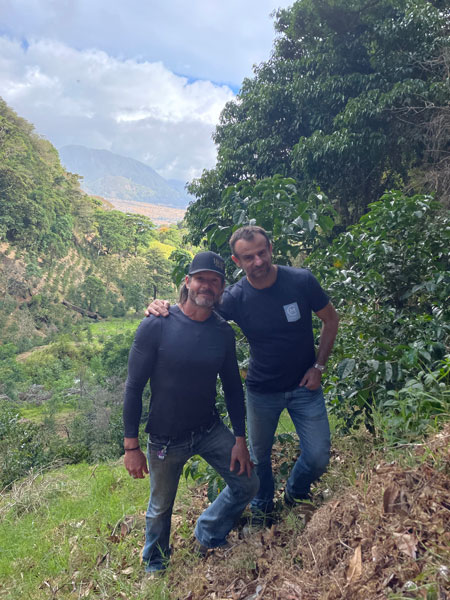
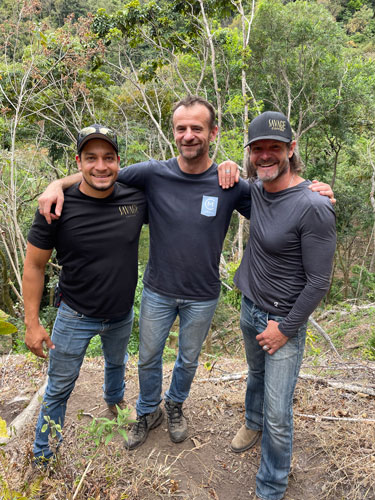
Iris Estate, nestled in Panama's Volcán region at elevations between 1,850 and 2,300 metres above sea level, is a remarkable collaboration between esteemed coffee professionals Jamison Savage, Elvin Siew and ONA Coffee founder, Sasa Sestic. Their mission is to create specialty coffees that truly reflect the unique terroir of their origin while prioritising sustainable farming practices and minimal ecological disruption. The estate is carefully managed to preserve the natural landscape, allowing the coffee cherries to express the inherent flavours of their environment.
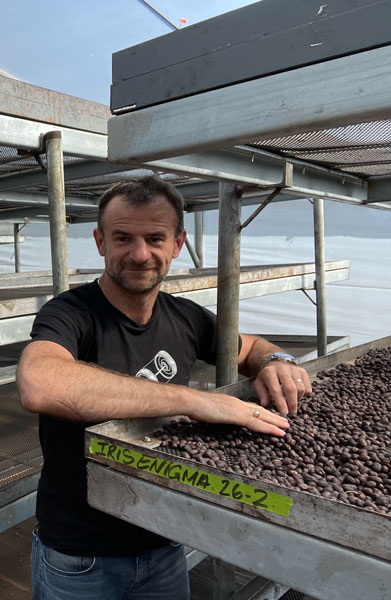
One of Iris Estate's standout offerings is the Geisha Natural Afterglow lot, featuring the renowned Green Tip Geisha variety, celebrated for its pronounced floral notes and vibrant acidity. This lot undergoes meticulous processing at Iris Estate, where cherries are hand-picked at peak ripeness, boasting a sugar content exceeding 21ºBrix. They are then dried on a tiered African bed system under controlled conditions, ensuring optimal temperature, humidity, and airflow. This drying process can last up to 30 days, allowing the coffee to develop layered, natural, and complex flavours. Following drying, the beans undergo a 90-day rest period, or "reposo," to stabilise and enhance sweetness before hulling and selection for export.
The commitment to preserving the natural ecosystem and focusing on terroir-based processing at Iris Estate results in exceptional cup profiles. The Geisha Natural Afterglow lot is noted for tasting notes of peach, toffee, orange, and white floral, offering a clean and balanced cup that embodies the estate's dedication to quality and innovation in specialty coffee production.
| PRODUCER | Jamison Savage, Sasa Sestic and Elvin Siew |
| REGION | Volcán |
| VARIETAL | Geisha |
| PROCESS | Natural |
| ALTITUDE | 1900-2200 masl |
The Haraz region of Yemen is a cornerstone of coffee's global history, renowned as one of the earliest areas of commercial cultivation and export. Nestled in mountainous terrains with elevations above 2,000 meters, Haraz's coffee culture dates back to the 15th century when Yemeni coffee was exported through the port of Mocha, giving rise to the term "Mocha coffee." The region's terraced farms and semi-arid climate have fostered heirloom varietals like Typica and Bourbon, which are slow-grown in nutrient-poor soils without irrigation, enhancing their dense, complex flavours.
Coffee farming in Haraz relies on traditional methods passed down through generations. Farmers hand-pick cherries and process them naturally by sun-drying, creating the heavy-bodied, fruit-forward profiles Yemeni coffee is celebrated for. The rugged terrain prevents mechanisation, ensuring meticulous cultivation. Coffee is often intercropped with qat and other crops, reflecting both economic pragmatism and cultural heritage.
Despite challenges like water scarcity, political instability, and the rise of qat farming, the Haraz region remains vital to Yemen's coffee economy. Specialty coffee buyers worldwide have driven a resurgence in demand, valuing Haraz's unique terroir and artisanal methods. This renewed focus highlights the enduring legacy and unmatched quality of Haraz coffee while supporting local farmers in preserving their centuries-old traditions.
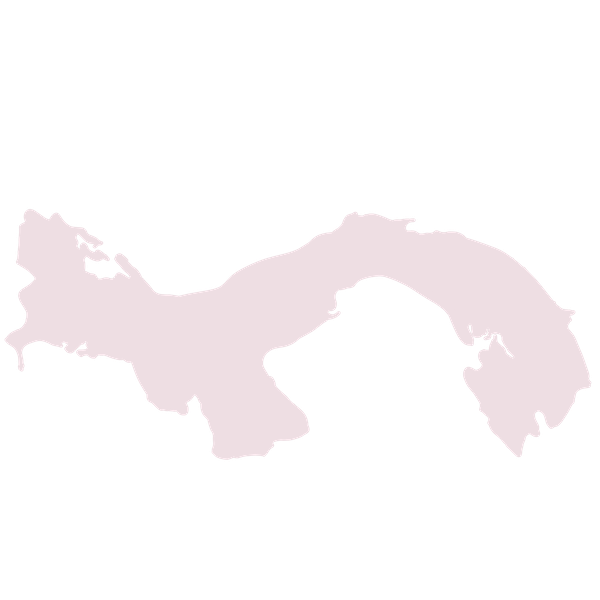
The Volcán region of Panama, located in the Chiriquí Province near the Barú Volcano, boasts a rich history of coffee cultivation dating back to the late 19th and early 20th centuries. European immigrants, particularly Swiss, German, and Scandinavian farmers, settled in the area, drawn by its fertile volcanic soils, high altitudes ranging from 1,300 to 2,200 metres above sea level, and an ideal climate for coffee production. These pioneers established some of Panama’s first coffee farms, laying the groundwork for a thriving coffee industry.
Volcán's cool temperatures, abundant rainfall, and diverse microclimates create a perfect environment for cultivating high-quality Arabica coffee, including varieties like Bourbon, Typica, and Geisha. The mineral-rich volcanic soils further enhance the flavour potential of the coffee grown in the region. Over the years, coffee producers in Volcán have embraced innovative practices, such as shade-grown coffee cultivation and precise post-harvest processing methods, to elevate the quality of their offerings.
The region gained international acclaim with the discovery of the Geisha variety in the early 2000s, notably through farms like Hacienda La Esmeralda, which highlighted its extraordinary floral and citrus notes. Geisha’s success in global coffee competitions brought unprecedented attention to Volcán, cementing its reputation as one of the world’s premier specialty coffee-producing regions. Today, Volcán continues to produce some of the most sought-after coffees globally, thanks to its unique terroir, commitment to sustainable farming, and a legacy of excellence in coffee cultivation.


